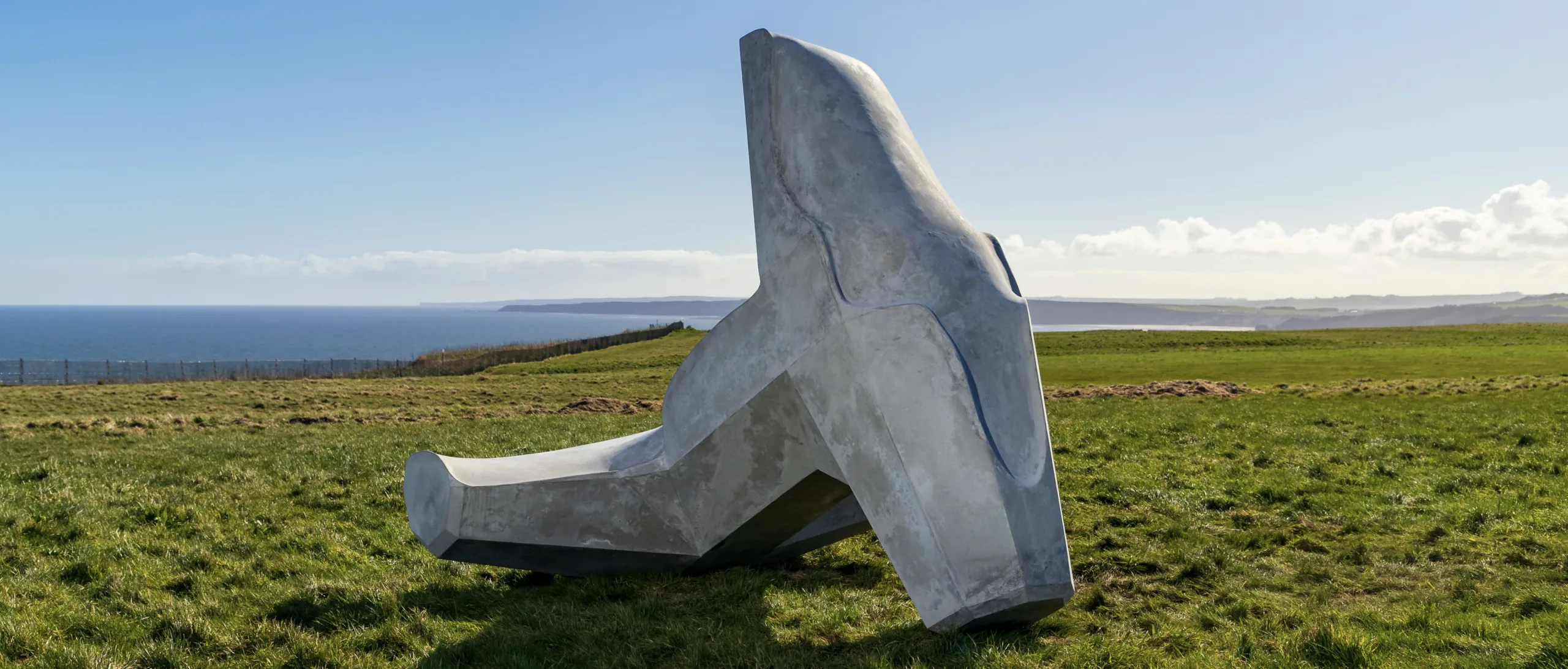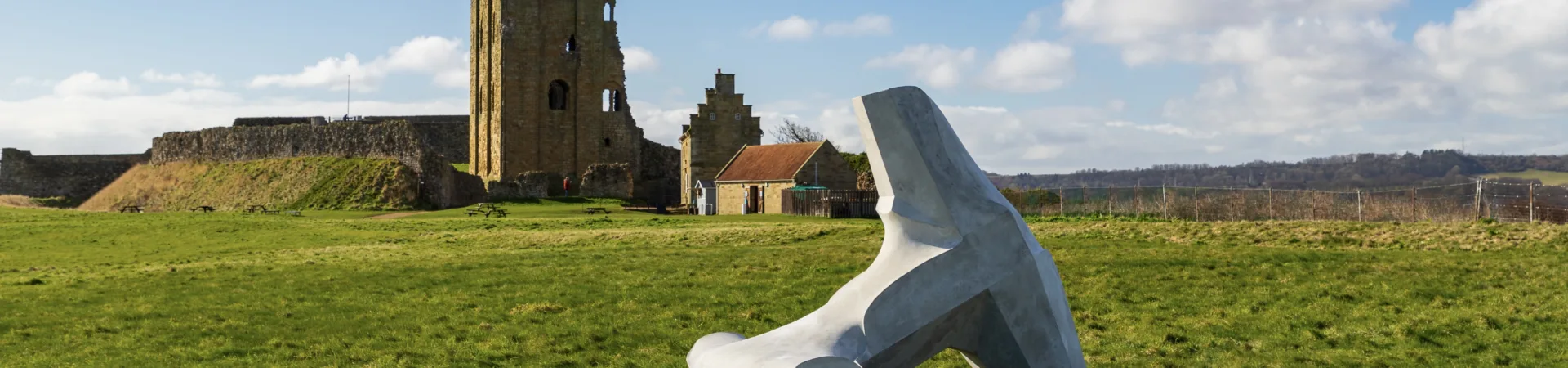
This artwork has been created in the shape of a dolos – a form normally used as a defence to prevent coastal erosion. The sculpture is purposely only partially formed as it is intended to be completed by snowfall.
The artist, Ryan Gander, used a computer programme to simulate snowfall onto the dolos. By subtracting this volume of snow from the original shape, he created an artwork that would only be ‘finished’ when it snows. Due to the changes in weather conditions caused by global warming, this work may never be seen in its original ‘complete’ form.
The sculpture is cast in ultra-low carbon concrete*, incorporating limestone formed from shells and skeletons of prehistoric sea creatures. The use of limestone highlights the sea’s vital role in minimising the effects of climate change by acting as a ‘carbon sink’, absorbing harmful carbon dioxide emissions.
-
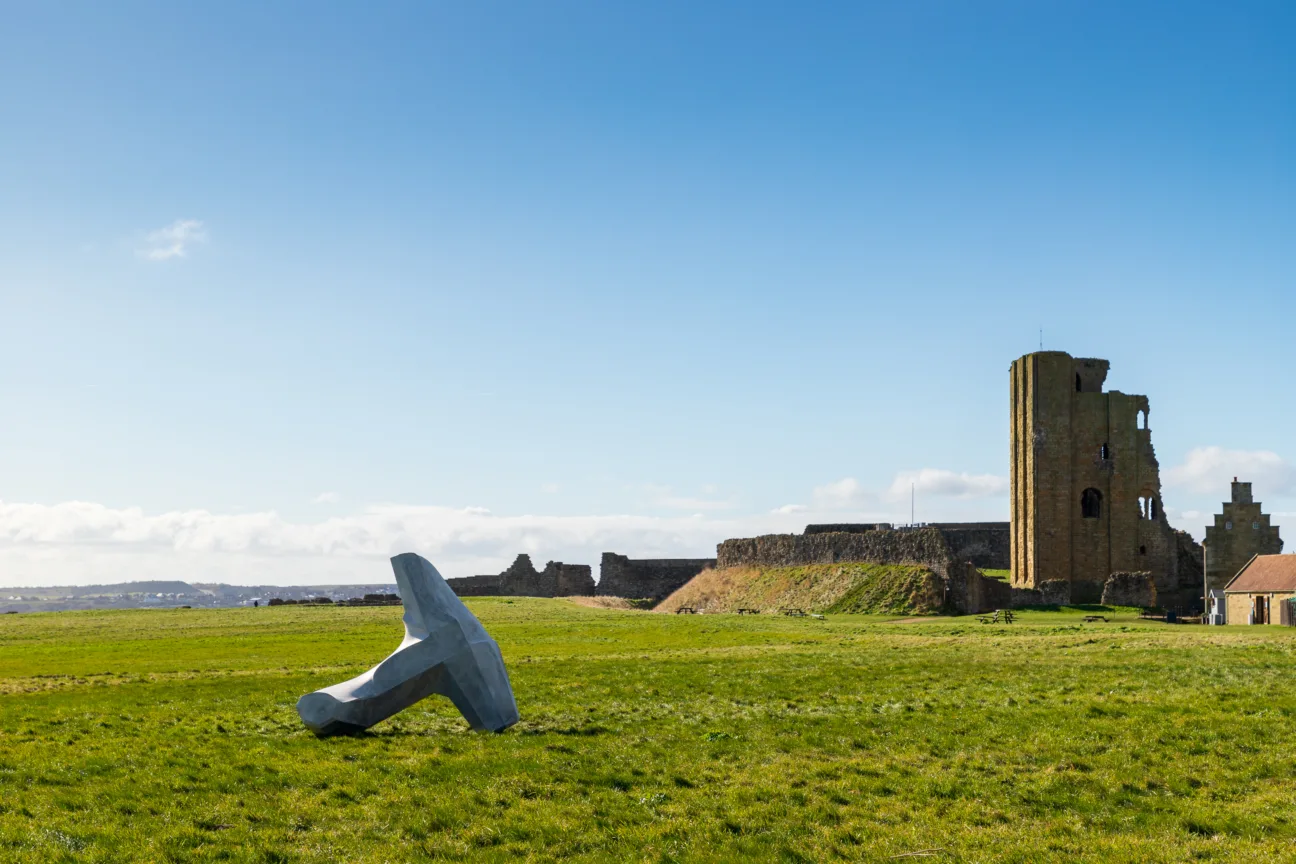 We are only human (Incomplete sculpture for Scarborough to be finished by snow) Ryan Gander, 2022.© Jules Lister
 -
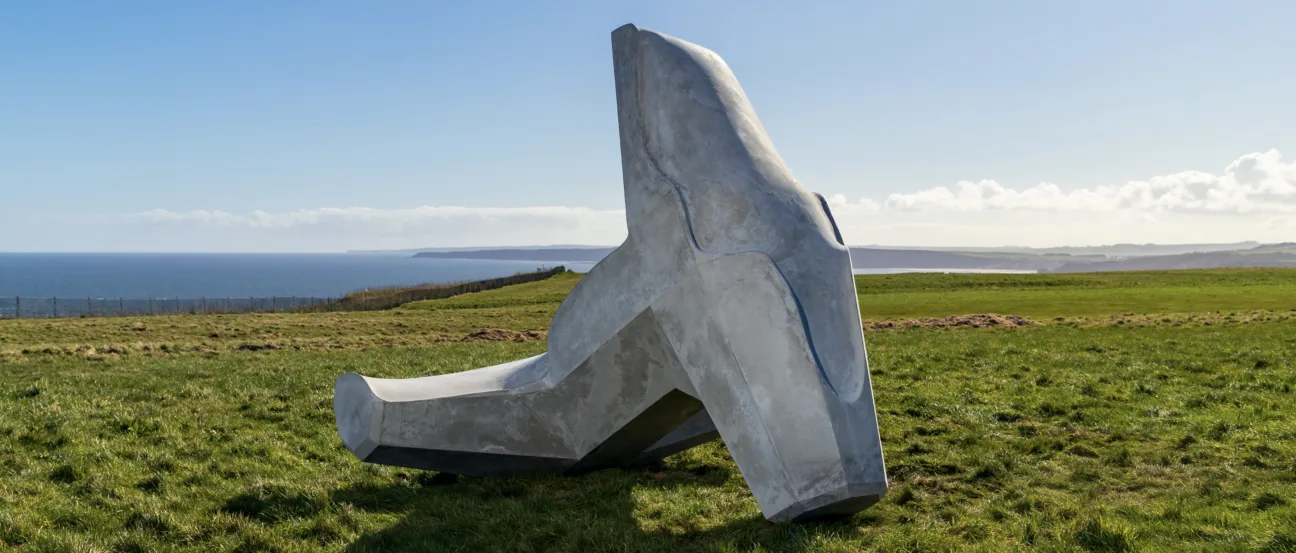 We are only human (Incomplete sculpture for Scarborough to be finished by snow) Ryan Gander, 2022.© Jules Lister
 -
 We are only human (Incomplete sculpture for Scarborough to be finished by snow) Ryan Gander, 2022.© Jules Lister
Over the last 50 years, 90% of carbon-capturing plants and animals have been lost from the North Sea. We need to protect our seas and restore marine life for a healthier, more sustainable world.
This headland location for the artwork was chosen to draw attention to the rise in sea levels, coastal erosion, and the effect on marine life caused by climate change.
People have been looking out to sea from this location for 3,000 years, from the Romans to those that built the medieval castle to the volunteers who manned the listening station during the cold war. This sculpture encourages us to continue that tradition of watching the sea.
*A note on materials:
Low-carbon concrete can use up to 85% less carbon than standard concrete. This particular concrete is made from otherwise wasted industrial products and recycled glass. Through this kind of innovation in materials, we can help reduce our carbon footprint and protect our time on this planet, a subject central to this project.
Sea Songs
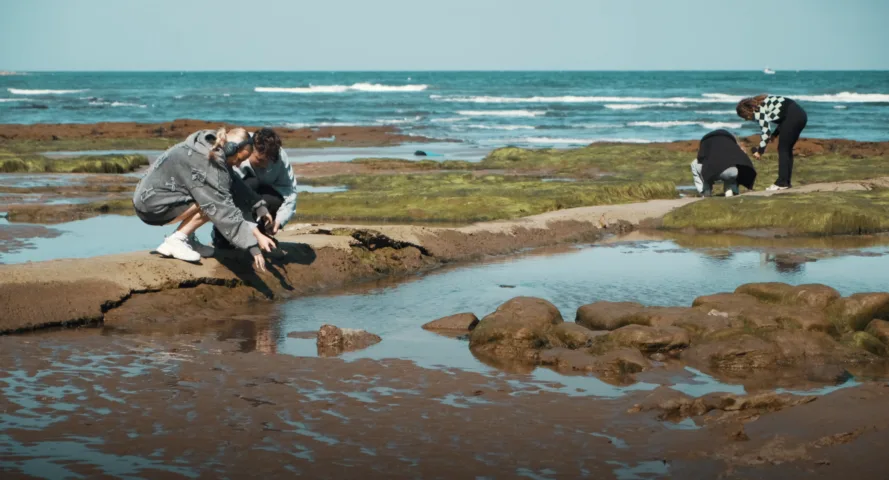
Linked to Ryan Gander’s sculpture, the project Sea Songs, saw Scarborough Sixth Formers work with acoustic artist Rob Mackay to create field sound recordings of marine mammals and their underwater environment, which were turned into an audio walk for Scarborough and Whitby, available online.
Audio Postcards
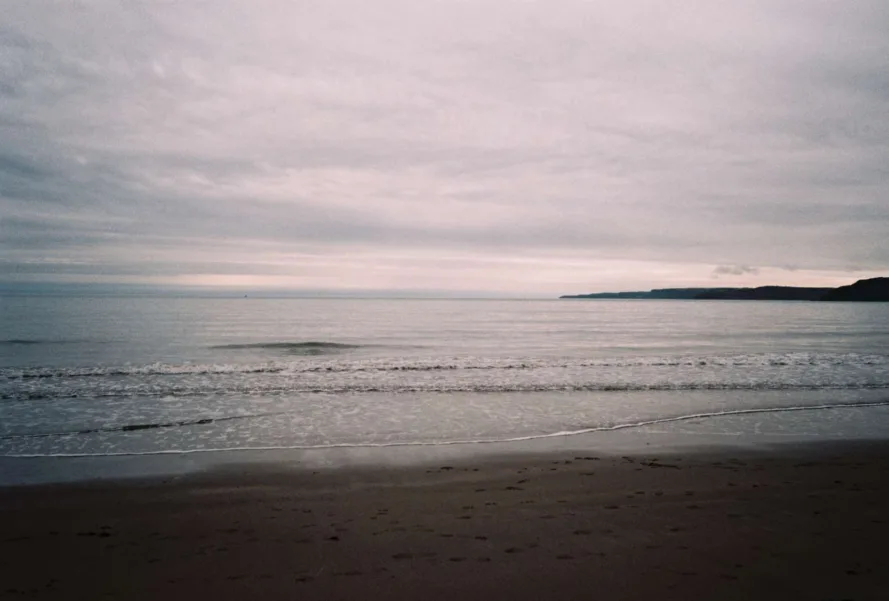
A series of podcasts or ‘audio postcards’ were produced for Wild Eye by sound artist Lucia Scazzocchio at Social Broadcasts, who spoke to North Yorkshire residents, scientists, artists and conservationists about their views on the marine environment, climate and the future. These were also broadcast on local and national radio, reaching a wide audience.
Listen to an audio piece about the sculpture
Dive into a short conversation with artist Ryan Gander about his sculpture We Are Only Human… inspired by coastal sea defences. The artwork is meant to be completed by snow—a way to show how much we’re at the mercy of nature, especially with climate change possibly making snow a thing of the past in Britain.
Gander is joined by experts including Bex Lynam from Yorkshire Wildlife Trust, Dominique Bouchard from English Heritage, and marine biologist Rodney Forster, who discuss the urgent need to protect our marine environments, highlighting both the good work being done and the massive challenges we face. The conversation is a call to action, reminding us that we need to act now to keep our coastlines and oceans thriving.
Read a transcript of the audio piece here
Created by Social Broadcasts. Listen to more audio tracks here.