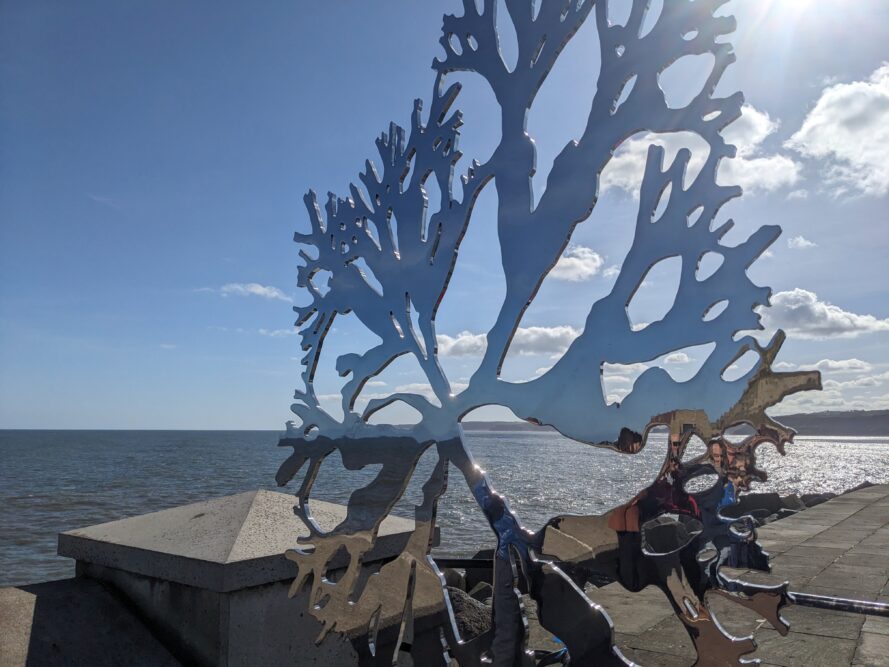
Strolling along South Bay in Scarborough during one of Wild Eye’s ‘Dipping into Seaweed‘ sessions, it’s easy to be captivated by its stunning scenery. But beneath the waves and scattered across the shore lies an often-overlooked treasure: seaweed, a keystone of the coastal ecosystem. From the sunlit fronds of brown seaweed to the vivid greens and delicate reds, these fascinating macroalgae sustain marine life, inspire conservation, and even hold promise for combating climate change.
-
 Seaweed has the potential to be an important part of the fight against climate change because it grows fast, taking up carbon and oxygenating seawater.© Simon Tull
 -
 Bladderwrack seaweed© Christopher Bill via Unsplash
 -
 Bladderwrack seaweed inspired Wild Eye's Sea Oak sculpture© Simon Tull
The Diversity of Seaweed
Seaweed comes in three primary groups—brown, red, and green—each adding unique beauty and ecological function to the shore:
- Brown seaweeds, such as bladderwrack. Some brown seaweeds float at high tide to soak up sunlight and become a foundation for marine life when exposed at low tide.
- Red seaweeds, like coral weed, build reef-like structures with their calcified forms, creating habitats for a variety of marine organisms.
- Green seaweeds, including sea lettuce, thrive in nutrient-rich shallows, offering food to herbivores like limpets and snails.
The British Isles are home to more than 650 seaweed species, making them a hotspot for seaweed diversity. Around Britain, kelp forests cover an area equivalent to terrestrial forests, acting as underwater habitats and oxygen producers.
-
 Saw wrack seaweed (Fucus serratus)© Paul Carter
 -
Seaweed has the potential to be an important part of the fight against climate change because it grows fast, taking up carbon and oxygenating seawater.© Simon Tull
-
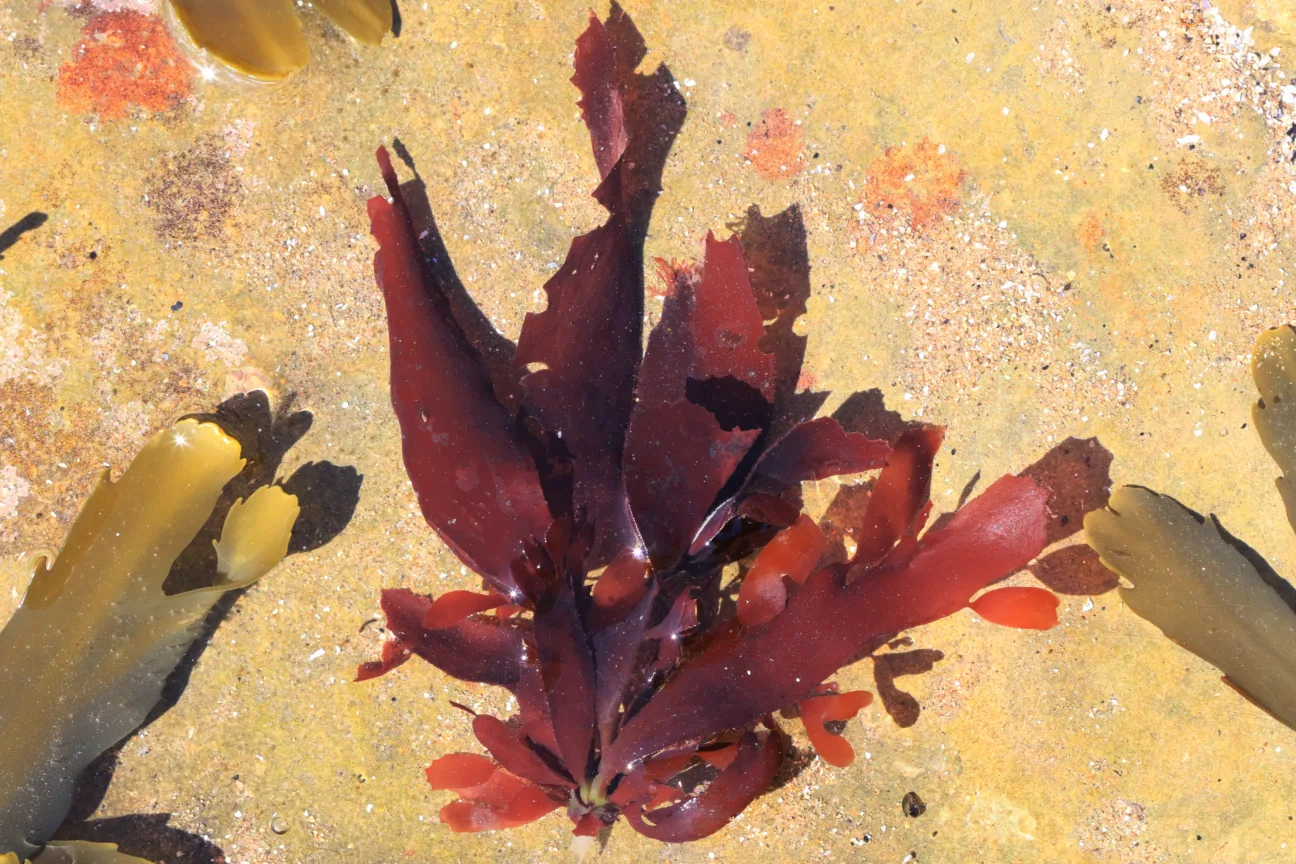 Red rags seaweed (Dilsea carnosa)© Keith Clarkson
 -
Bladderwrack seaweed© Christopher Bill via Unsplash
-
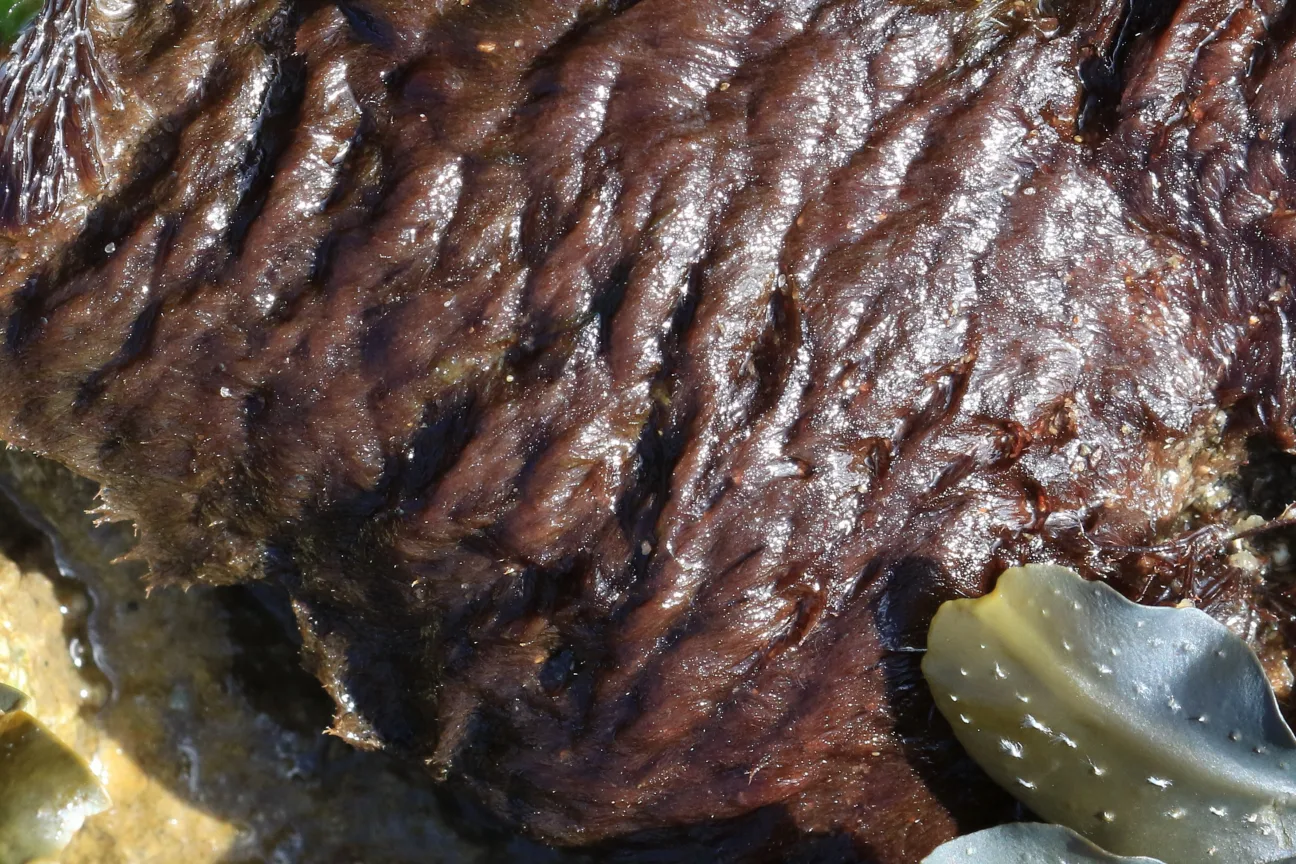 Sand binder seaweed (Rhodothamniella floridula)© Keith Clarkson
 -
Bladderwrack seaweed inspired Wild Eye's Sea Oak sculpture© Simon Tull
Why Seaweeds Matter
Seaweed, known as the “forest of the sea,” is crucial for marine ecosystems and sustainability. It provides shelter and food for marine life, protects coasts from storm surges, and holds economic value as a resource in food, cosmetics, and sustainable industries. Additionally, seaweed plays a key role in carbon sequestration, locking away carbon and offering a solution to climate change.
Beyond its ecological significance, seaweed has diverse applications, including:
- Food: A traditional and modern dietary staple;
- Animal Feed: Reduces methane emissions in livestock;
- Bioplastics: A sustainable alternative to fossil fuel-based packaging;
- Biofuels: An eco-friendly energy source;
- Fertilisers: Enriches soil in agriculture;
- Marine Restoration: Absorbs excess nutrients and combats ocean acidification;
- Industry: Used in products like toothpaste, medicine, and ice cream.
Seaweed’s versatility makes it indispensable for both environmental conservation and innovative sustainability efforts.
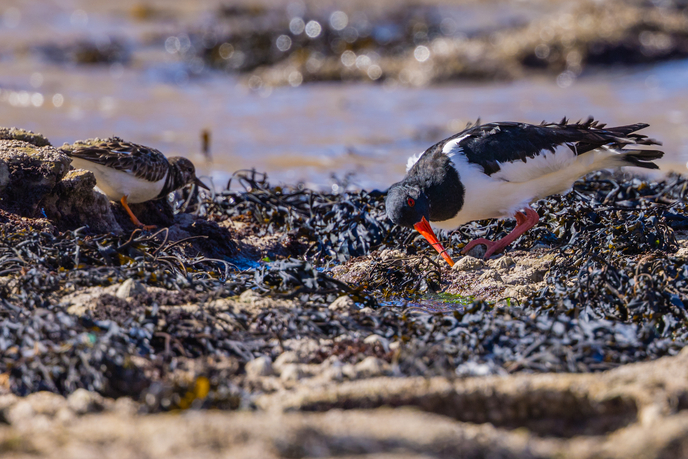
Discover Seaweed at South Bay
Wild Eye’s ‘Dipping into Seaweed‘ sessions explore this hidden marine world. Participants learn to identify various seaweeds and their roles in coastal ecosystems, contributing to conservation efforts through The Big Seaweed Search. These workshops inspire a deeper appreciation for the intricate balance of marine life and the critical role of seaweed in sustaining it.
The Big Seaweed Search
Seaweeds are essential to understanding and protecting our oceans, which is why projects like The Big Seaweed Search are vital. This citizen science initiative, led by The Natural History Museum and Marine Conservation Society, invites individuals to record seaweed species along the UK’s coastlines.
Observations of changes or impacts on seaweed help monitor indications of:
- Rising sea temperatures;
- Ocean acidification;
- The spread of non-native species.
Seaweed observations are crucial for tracking environmental changes and preserving habitats. For example, kelp forests are disappearing in many regions, posing risks to coastal ecosystems and increasing the threat of coastal erosion.
-
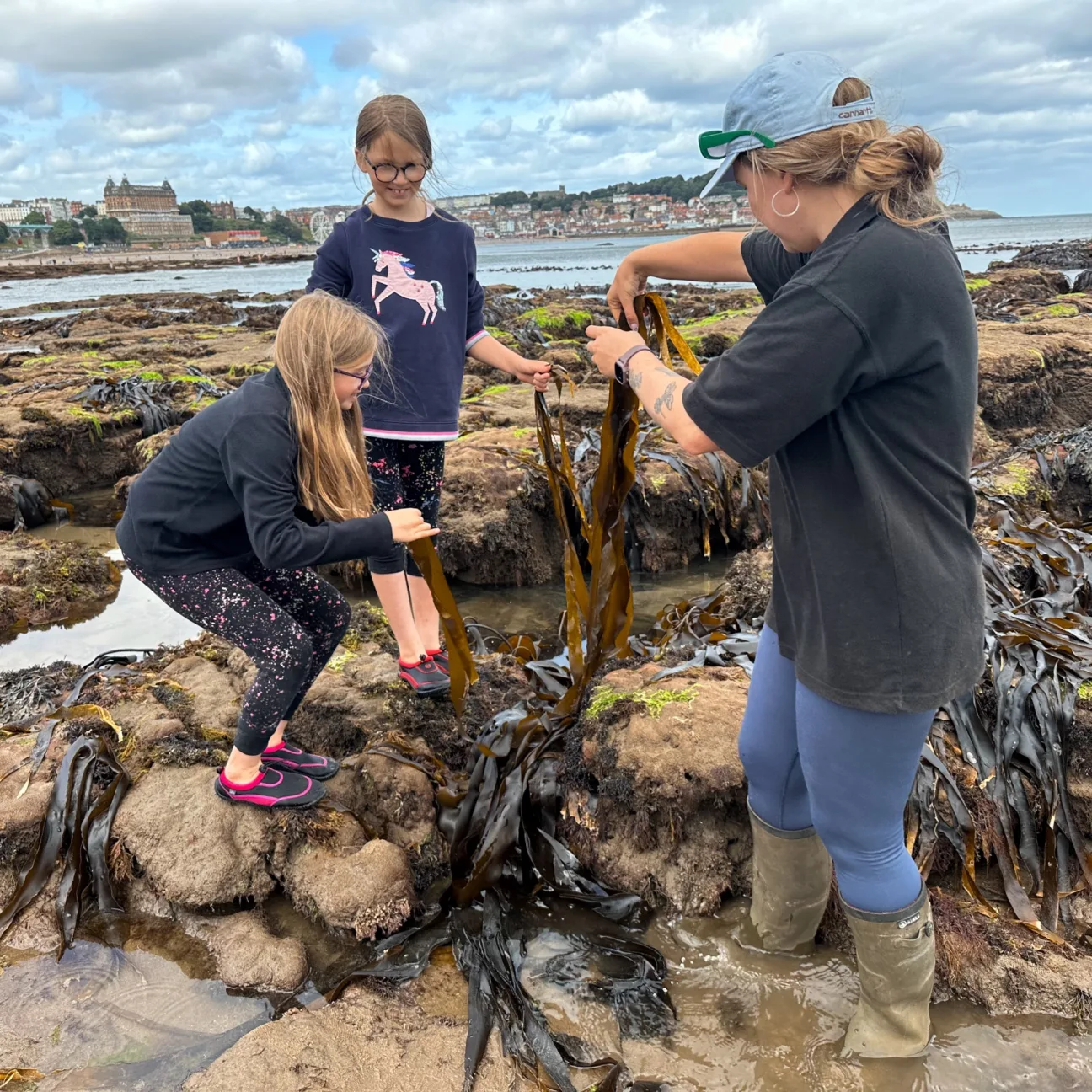 Wild Eye organises free 'Dipping into Seaweed' sessions, where participants learn about the wonders of seaweed and how to identify common species found in Scarborough.© Katie Andrews
 -
 A brown seaweed colony© Cate Holborn
 -
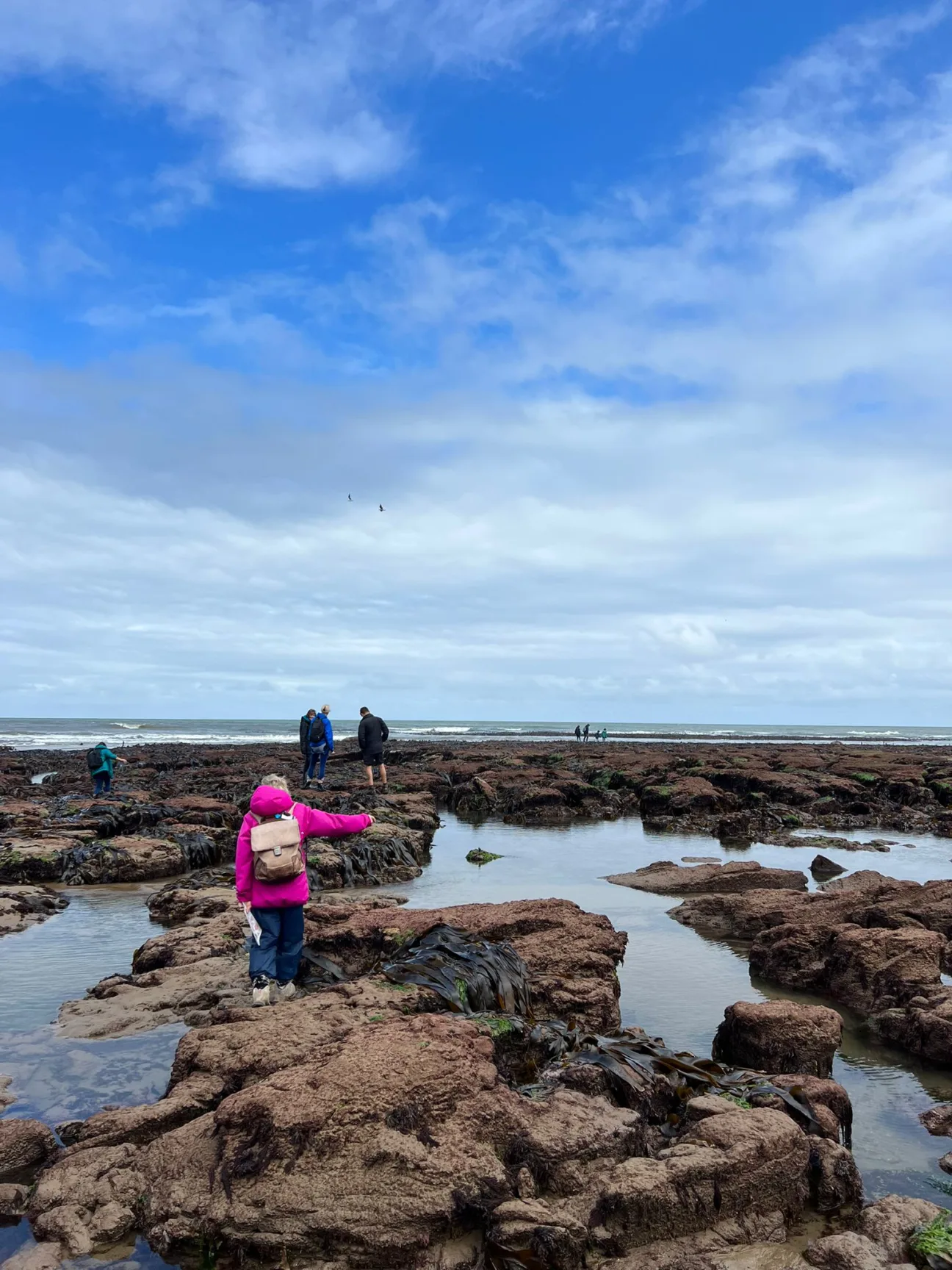 Wild Eye organises free 'Dipping into Seaweed' sessions, where participants learn about the wonders of seaweed and how to identify common species found in Scarborough.© Katie Andrews
 -
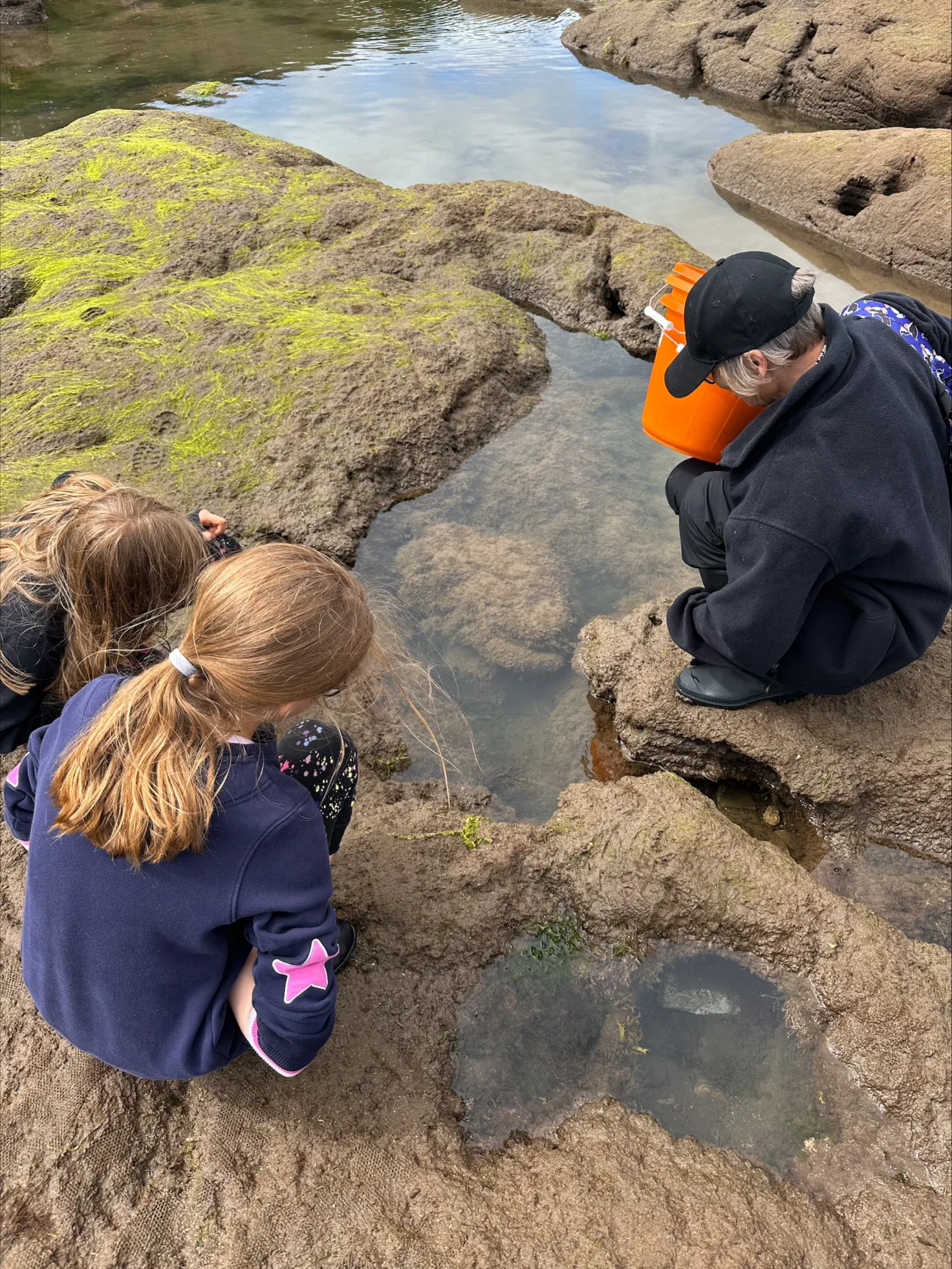 Wild Eye organises free 'Dipping into Seaweed' sessions, where participants learn about the wonders of seaweed.© Katie Andrews
 -
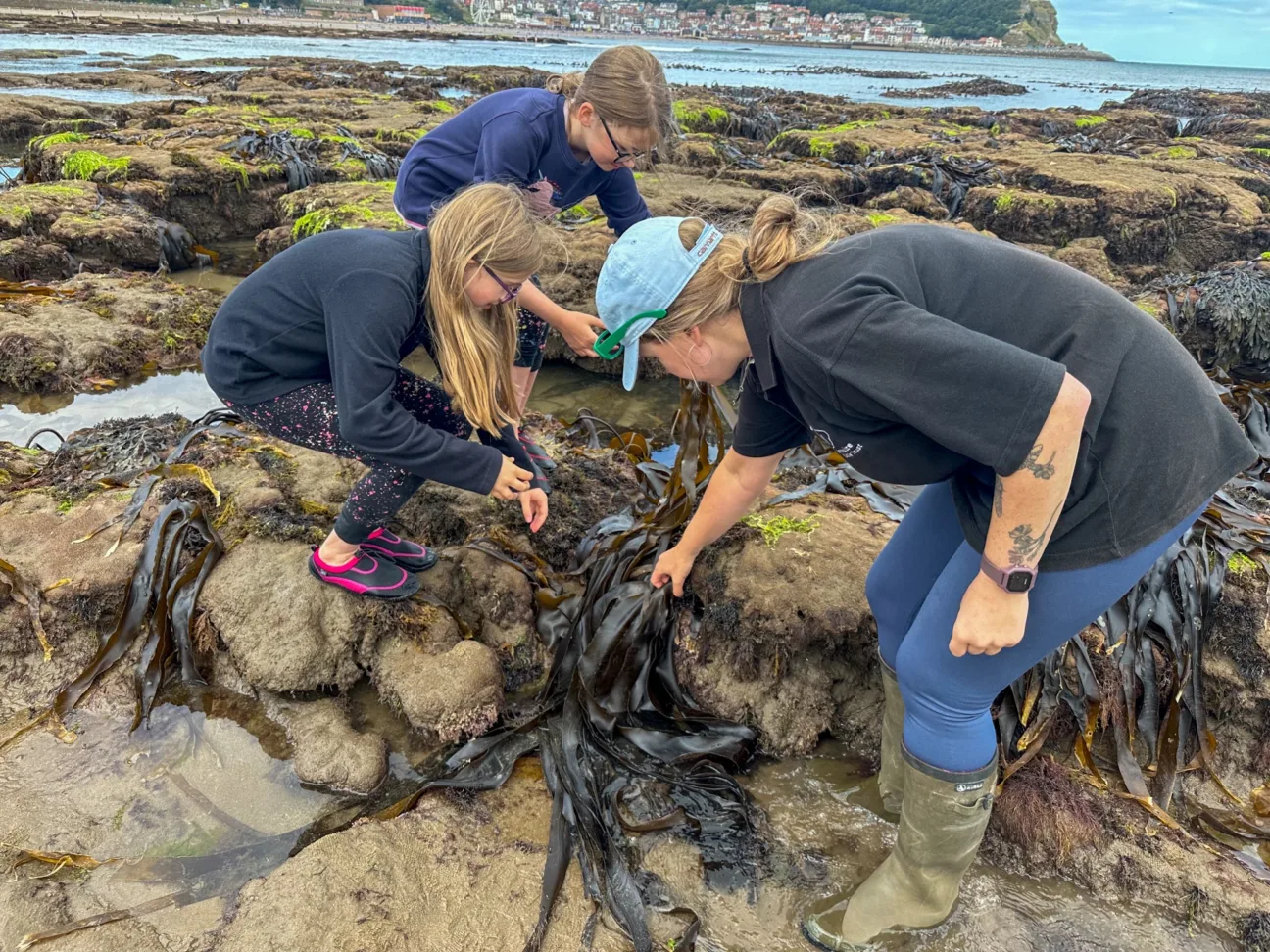 Wild Eye organises free 'Dipping into Seaweed' sessions, where participants learn about the wonders of seaweed and how to identify common species found in Scarborough.© Katie Andrews
Next time you wander South Bay…
…take a moment to marvel at the seaweed beneath your feet. It’s more than ocean greenery—it’s the foundation of marine ecosystems, a driver of innovation, and a reminder of our responsibility to protect coastal environments. By joining one of Wild Eye’s free ‘Dipping into Seaweed‘ sessions, participating in initiatives like The Big Seaweed Search or simply learning about seaweed’s role, you contribute to a legacy of conservation and connection to Scarborough’s vibrant marine world.
Seaweed in Art and Conservation
To celebrate seaweed’s ecological significance, the Wild Eye project commissioned Paul Morrison’s ‘Sea Oak‘ sculpture, a stunning piece symbolising seaweed’s resilience and beauty. Beyond its aesthetic appeal, the sculpture highlights seaweed’s role in addressing climate challenges.